Handbook
Trade show organization planning and management
A successful trade show is more than a collection of booths. It is a structured business platform where exhibitors, visitors, partners, buyers, and industry professionals meet, exchange information, discover products, and create new opportunities.
This guide explains the key stages of trade show organization, from defining objectives and developing the event plan to managing exhibitors, promotion, on-site logistics, and post-event evaluation.
What is a trade show organization?
Trade show organization is the process of planning, producing, managing, and operating a trade show or exhibition event from concept to completion. It includes defining the event purpose, selecting the venue, developing the exhibition layout, recruiting exhibitors, promoting the event, managing technical requirements, coordinating logistics, operating the event on site, and evaluating results after the program.
A trade show can serve many goals. Some events focus on product display and sales opportunities, while others aim to connect businesses, introduce new technologies, strengthen brand visibility, attract investors, or create a professional networking platform for a specific industry. This is why trade show event management must be planned carefully around the organizer’s objectives and target audience.
Professional trade shows often involve many stakeholders, including exhibitors, sponsors, visitors, speakers, media teams, suppliers, venue managers, technical crews, security, registration staff, and event organizers. Without a clear management structure, the event can easily face problems such as poor visitor flow, delayed setup, unclear booth arrangement, weak communication, or inconsistent branding.
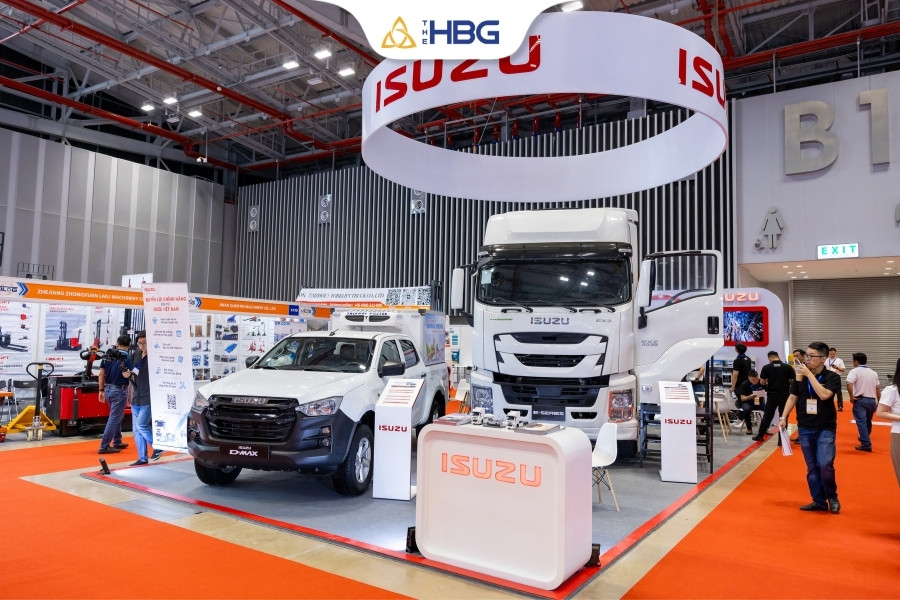
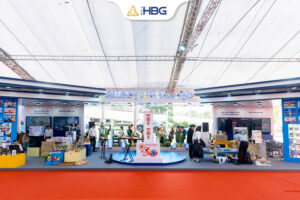
Trade show organization brings together planning, exhibition design, exhibitor management, promotion, logistics, and on-site operation into one complete event process.
How to organize a successful trade show?
A successful trade show requires a clear strategy and a practical execution plan. For this reason, professional trade show event management is essential to keep every stage organized and aligned with the event goals.
Define objectives, target audience and budget
The organizer should clarify whether the trade show aims to generate leads, introduce products, connect suppliers and buyers, promote an industry, support business networking, create media exposure, or strengthen a company’s market position.
A trade show for technology companies will need a different format from a healthcare exhibition, education fair, tourism showcase, manufacturing expo, or event industry trade shows. Understanding the audience helps shape the event concept, communication message, booth layout, content program, visitor services, and promotional channels.
Besides, the budget may include venue rental, booth construction, technical equipment, branding, marketing, staffing, registration systems, logistics, security, cleaning, insurance, media production, and post-event reporting. A clear budget helps the organizer choose suitable solutions and avoid unnecessary spending.
Select the venue and develop the event plan
Venue selection has a direct impact on the quality of a trade show. The chosen venue should match the expected number of visitors, booth quantity, exhibition format, technical needs, transportation access, parking, loading area, safety requirements, and overall event image.
A suitable venue should also support smooth visitor movement. Organizers need to consider hall size, ceiling height, entrances, exits, registration area, booth zones, stage area, meeting rooms, storage, emergency routes, and service areas. If the venue is too small, the event may feel crowded. If it is too large, the exhibition may feel empty and lose energy.
After selecting the venue, the organizer should develop a detailed event plan. This may include the project timeline, supplier list, booth sales plan, exhibitor manual, marketing schedule, technical checklist, staffing plan, registration process, setup schedule, dismantling plan, and risk management approach.
Among trade show organizer companies, the ability to connect venue planning with event operations is an important factor. A professional team can help ensure that the venue is not only visually suitable but also practical for construction, logistics, technical setup, and visitor experience.
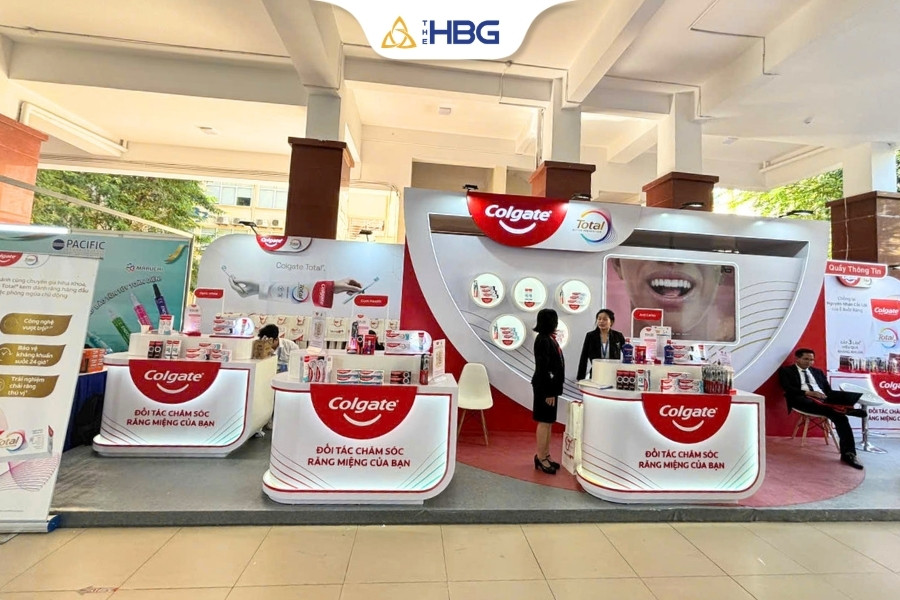
The right venue and event plan help create a practical structure for booth setup, visitor flow, technical coordination, and overall event operation.
Develop the exhibition concept and floor plan
The exhibition concept gives the trade show a clear identity. It defines the event theme, visual direction, main message, visitor journey, key zones, sponsor visibility, activity areas, and overall atmosphere. A strong concept helps the event feel connected rather than just a collection of individual booths.
The floor plan is where the concept becomes practical. It should include booth locations, aisle width, entrance flow, registration area, main stage, sponsor zones, product showcase areas, meeting corners, media zones, technical areas, storage, and emergency access. The layout should help visitors move naturally through the exhibition while giving exhibitors fair visibility.
For large trade shows, zoning is very important. Exhibitors can be grouped by industry category, product type, sponsor level, country pavilion, business function, or visitor interest. Clear zoning helps visitors find relevant booths more easily and improves the overall event experience.
Professional convention and trade show services often include space planning, floor plan development, signage planning, booth arrangement, and visitor flow optimization. These details help the event look more organized and operate more efficiently.
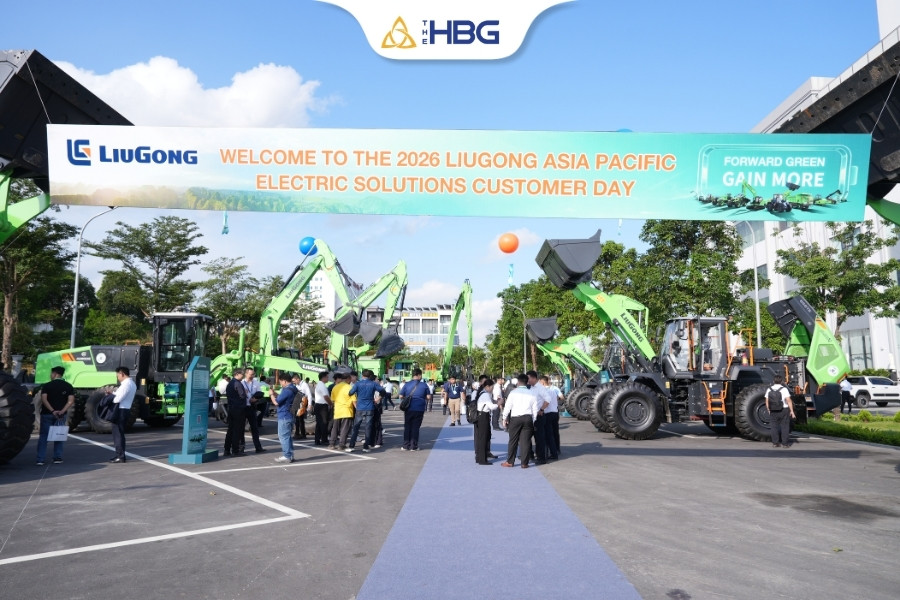
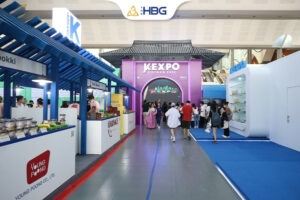
A strong exhibition concept and floor plan help guide visitors, support exhibitor visibility, and create a more cohesive trade show experience.
Recruit and manage exhibitors
Exhibitors are the core of every trade show. To recruit the right exhibitors, organizers need to prepare a clear value proposition, sponsorship packages, booth options, pricing, visitor profile, marketing benefits, event schedule, and participation guidelines.
Exhibitor management should begin early and continue throughout the project. Organizers need to collect company profiles, booth requirements, branding materials, technical needs, payment information, product display plans, staffing details, and special requests. These inputs help the production and operation teams prepare the exhibition space more accurately.
A professional exhibitor manual is also useful. It may include booth setup rules, construction timeline, venue regulations, technical forms, logistics instructions, fire safety requirements, branding guidelines, registration procedures, and contact points. Clear communication reduces confusion and helps exhibitors prepare properly.
For trade show companies and event organizers, exhibitor satisfaction is an important success factor. When exhibitors receive good support before and during the event, they are more likely to engage actively, present their products effectively, and participate again in future editions.
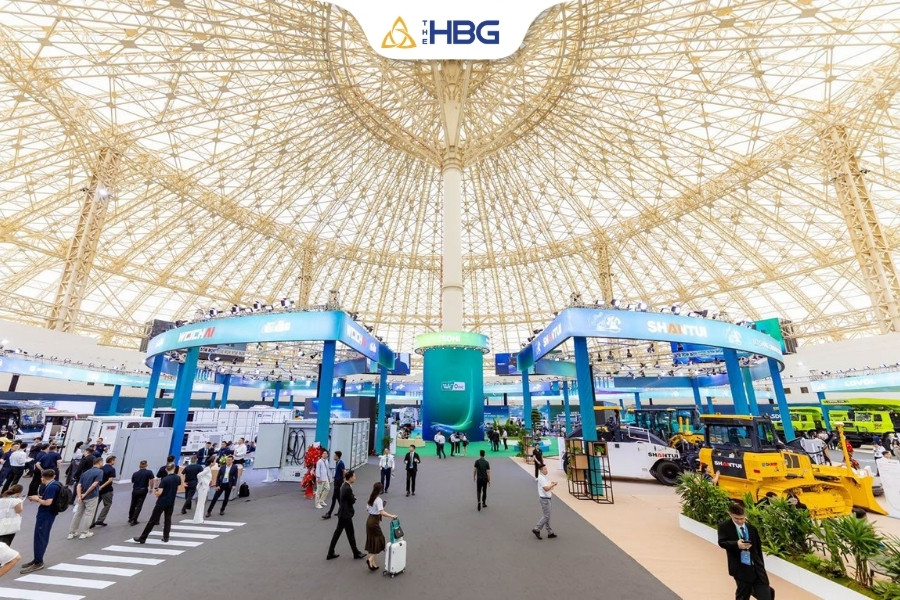
Effective exhibitor recruitment and management help build a stronger exhibition lineup and improve the overall trade show value.
Promote the trade show and attract visitors
Promotion is essential for attracting the right visitors to a trade show. Even with a strong venue and good exhibitor list, the event will not succeed if the target audience does not know about it or does not understand why they should attend.
A trade show promotion plan may include website content, social media campaigns, email marketing, media partnerships, press releases, industry associations, sponsor communication, paid advertising, influencer cooperation, direct invitations, and exhibitor-led promotion. The message should highlight event benefits, exhibitor categories, featured products, networking opportunities, seminars, and visitor experiences.
The promotional timeline should start early enough to build awareness and encourage registration. For B2B trade shows, direct outreach to industry professionals, buyers, business leaders, partners, and media representatives can be especially effective.
Promotion should also continue during the event through live updates, media coverage, photography, video content, interviews, and social media posts. These activities increase visibility and provide useful content for post-event communication.
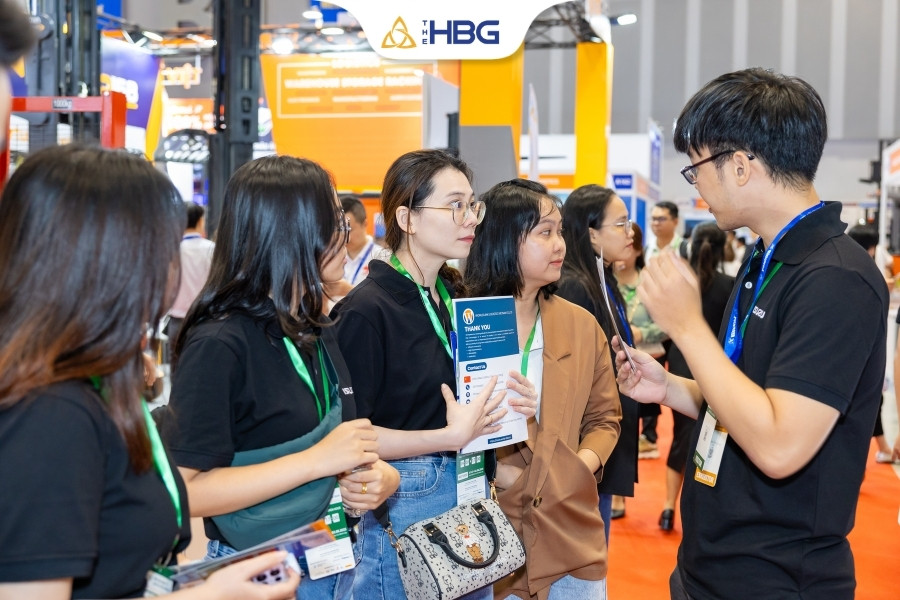
Trade show promotion helps attract the right visitors, increase exhibitor value, and strengthen the event’s business impact.
Manage on-site operations and event logistics
On-site operation is where the entire planning process is tested. During setup and event days, the organizer must manage exhibitors, visitors, suppliers, technical teams, staff, security, cleaning, media, VIP guests, speakers, and venue representatives at the same time.
Key tasks may include registration control, booth setup supervision, technical checking, signage placement, crowd flow management, exhibitor support, stage operation, visitor guidance, emergency response, supplier coordination, and daily issue tracking. A clear command structure is important so every team knows who to report to and how to handle urgent situations.
Logistics are equally important in trade show event management. Materials, booth components, equipment, furniture, printed items, welcome kits, and technical systems must arrive on time and be placed correctly. Setup and dismantling schedules should be coordinated carefully to avoid delays or venue penalties.
Evaluate results after the event
Post-event evaluation helps organizers understand whether the trade show achieved its objectives. This stage may include reviewing visitor numbers, exhibitor feedback, sponsor satisfaction, media coverage, lead generation, session attendance, operational issues, budget performance, and overall event impact.
Evaluation should be based on the objectives defined at the beginning. If the goal was business networking, the organizer may review meeting numbers and participant feedback. If the goal was product promotion, visitor engagement and media content may be more important. If the goal was exhibitor revenue, booth renewal interest and exhibitor satisfaction should be measured.
Post-event reports can also help improve future trade shows. They may include photos, videos, data summaries, feedback analysis, supplier performance, lessons learned, and recommendations for the next edition.
A professional organizer does not stop when the venue closes. Strong post-event support helps maintain relationships with exhibitors, sponsors, visitors, and partners while creating a foundation for future event growth.
Key considerations when organizing a trade show
Effective trade show organization requires more than a strong concept and exhibitor list. Organizers also need to plan the physical space, booth setup, technical systems, registration process, safety requirements, logistics, and on-site coordination carefully.
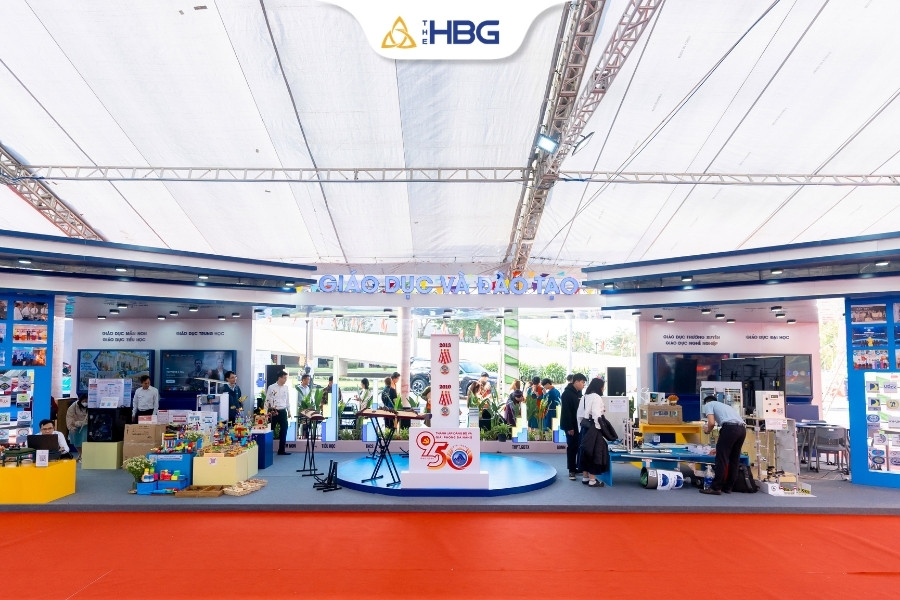
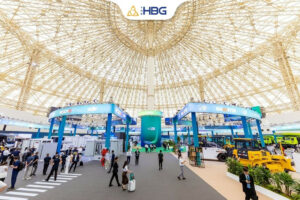
Careful preparation helps trade shows operate smoothly, support exhibitors effectively, and create a better visitor experience.
Exhibition space and visitor flow
Exhibition space and visitor flow are among the most important factors in trade show event management. A good floor plan should help visitors move naturally through the venue, discover different booths easily, and access key areas such as registration, sponsor zones, seminar rooms, networking spaces, rest areas, and exits.
The layout should avoid narrow aisles, unclear directions, hidden booths, and traffic congestion. High-traffic areas can be used for major sponsors, featured exhibitors, interactive zones, or product showcases, while quieter areas can be designed for meetings, consultation, or VIP networking.
For large exhibitions, signage and zoning are especially important. Clear directions, booth numbering, information counters, maps, and digital screens help visitors find what they need quickly and make the trade show feel more professional.
Booth setup and technical requirements
Booth setup must be planned based on booth size, exhibitor needs, venue regulations, construction timeline, and technical requirements. Each booth should have clear branding, functional display areas, proper lighting, safe electrical systems, and enough space for visitor interaction.
Technical requirements may include power supply, LED screens, product demo equipment, internet connection, lighting, sound, touchscreens, laptops, charging points, and presentation systems. These elements should be confirmed before production and setup to avoid last-minute issues.
For professional convention and trade show services, booth setup should also follow organizer guidelines and safety standards. Clear instructions help exhibitors understand what they can install, what materials are allowed, when they can set up, and how the booth should be dismantled after the event.
Registration and attendee management
Registration is the first touchpoint for many visitors, so it should be fast, clear, and well-organized. A smooth check-in process helps create a positive first impression and reduces congestion at the entrance.
Depending on the event scale, attendee management may include online registration, QR check-in, printed badges, VIP lists, exhibitor passes, media passes, group registration, welcome kits, and information desks. For large trade shows, separate check-in lanes can be arranged for visitors, exhibitors, speakers, VIP guests, and media representatives.
Good attendee management also supports post-event reporting. Registration data can help organizers evaluate visitor numbers, attendee profiles, session participation, and overall event performance. This information is useful for improving future editions and creating stronger value for exhibitors and sponsors.
Safety, security and event regulations
Safety and security must be included in every stage of trade show organization. Organizers need to follow venue regulations, fire safety rules, emergency exit requirements, crowd control standards, electrical safety guidelines, and construction restrictions.
Security planning may include access control, staff badges, visitor badges, equipment protection, VIP support, emergency response, lost-and-found management, and coordination with venue security teams. For exhibitions with high-value products or large visitor numbers, stronger security measures may be required.
Event regulations should also be communicated clearly to exhibitors, suppliers, and staff. This helps avoid unsafe booth construction, blocked aisles, improper cable placement, unauthorized materials, or delays during setup and dismantling. A safe trade show protects guests, exhibitors, equipment, and the reputation of the organizer.
Logistics, transportation and on-site coordination
Logistics and transportation are critical because trade shows involve many materials, booth components, equipment, printed items, furniture, and technical systems. Everything must arrive at the right venue, at the right time, and in the right order.
Organizers should prepare a detailed logistics plan that includes delivery schedules, loading access, storage areas, supplier contact points, equipment lists, setup sequence, and dismantling procedures. When many suppliers work in the same venue, clear coordination helps prevent delays and confusion.
On-site coordination connects all parts of the event. The operation team should manage communication between the venue, exhibitors, technical crews, booth contractors, registration staff, security, cleaning teams, media teams, and the client. This is one reason businesses often work with experienced trade show organizer companies when planning complex or large-scale exhibitions.
Why choose The HoaBinh Group for trade show organization?
The HoaBinh Group (The HBG) is a reliable partner for businesses and organizations looking for professional trade show organization services in Vietnam. With experience in MICE, exhibitions, corporate events, booth construction, audiovisual production, logistics, and on-site operation, The HBG can support trade shows from planning to completion.
The HBG provides integrated convention and trade show services, including event concept development, venue setup, exhibition floor planning, booth design and construction, technical equipment, registration support, branding, staffing, on-site management, media support, dismantling, and post-event coordination.
A key advantage of working with The HBG is the ability to manage many event elements under one coordinated workflow. Instead of working separately with multiple suppliers, clients can receive support from a team that understands both strategic planning and practical execution. This helps reduce communication gaps, improve timeline control, and maintain consistency across the trade show.
For businesses comparing trade show organizer companies, The HBG offers flexible solutions based on event scale, industry, target audience, venue conditions, and budget. Whether the project is a business expo, product showcase, industry exhibition, networking event, or event industry trade show, The HBG can help create a professional and visitor-friendly event experience.
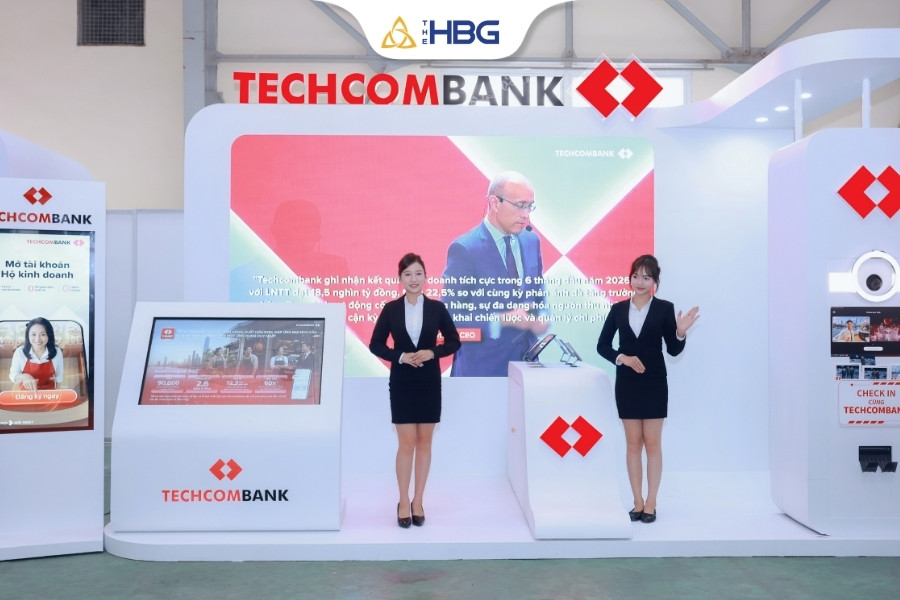
The HBG delivers integrated trade show organization services that combine planning, design, construction, technology, logistics, and on-site management.
Conclusion
Professional trade show organization helps businesses and industries create valuable platforms for product display, brand communication, networking, lead generation, and market connection.
With comprehensive experience in trade show event management, MICE services, exhibitions, booth construction, and event production, The HBG can support businesses and organizations in delivering professional trade shows in Vietnam. From concept to execution, The HBG is ready to help clients build trade shows that attract the right audience, support exhibitors, and create meaningful business opportunities.
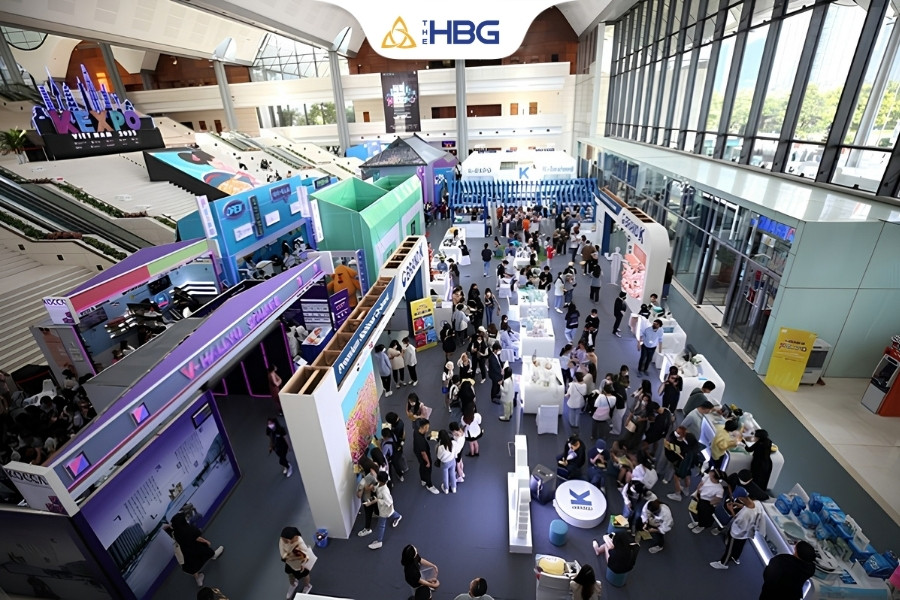
A professionally organized trade show helps brands connect with the right audience, strengthen market visibility, and create lasting business impact.
-

Gallery: Vietnam Logistics Forum 2025
-

Gallery: 17th Congress of the Hanoi Women’s Union (2025–2030 term)
-

Gallery: 50th Anniversary Celebration of Da Lan Huong Kindergarten
-

Gallery: Vietnam – Jordan Business Forum
-

Gallery: Gala Dinner celebrating Vietnamese Teachers’ Day
-

Gallery: Closing Ceremony of “Pilot Implementation of the Safe, Clean and Green Community”
-

Gallery: Samsung SDS Sports Day 2025
-

Gallery: WEST’s MICE event “Together in Vietnam”
-

Conference Highlights
-

Tour Highlights
-

Product Launch & Sales Opening Event
-

Educational Event
-

Events Highlights
-

Year-End Party
-

The People Behind Great Events
-

Recognition & Awards Ceremony
.jpg)